Premium Fish Trimming Knives: Our 2026 Buyer's Guide
Picking the right filleting knife is vital for any angler trying to sharpen their fish preparation skills. The choice copyrights on several factors, including blade material, handle comfort, and overall flexibility. Each element plays a important role in delivering precision during filleting. As anglers examine various options, understanding the balance between budget and premium choices becomes important. What features should one prioritize to guarantee an optimal fishing experience? The answer lies ahead.
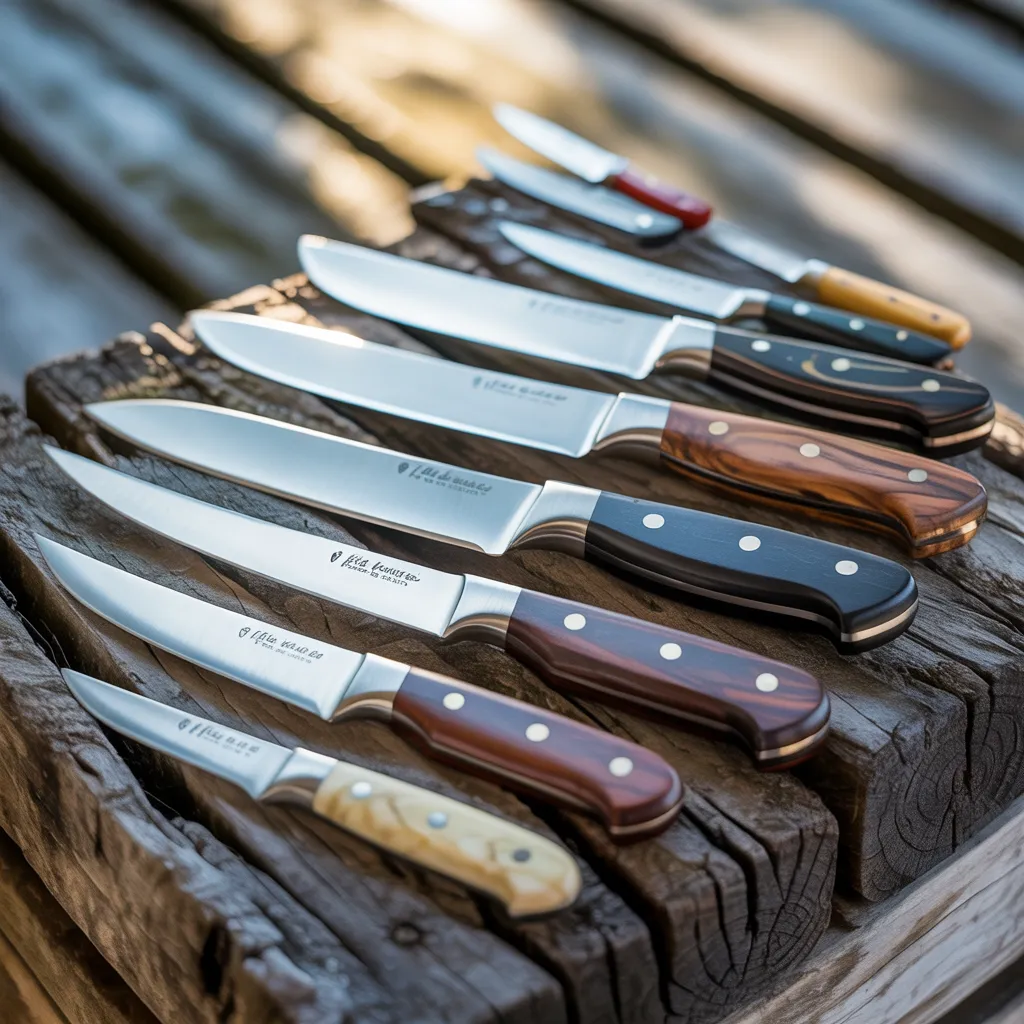
The Vital Impact of a Superior Filleting Knife
A excellent filleting knife can substantially elevate the process of preparing fish. The exactness and edge of a finely constructed knife enable effortless, clean cuts, minimizing the possibility of injuring the delicate flesh. This efficiency not only saves time but also yields a more attractive presentation, whether for a simple meal or an sophisticated dish.
Furthermore, a good filleting knife provides better control, enabling the user to traverse around bones and skin with ease. This control is essential for both beginner chefs and seasoned chefs, ensuring that each fillet is cut perfectly. Additionally, the right filleting knife can reduce the physical strain on the user, making the process more enjoyable.
Committing to a quality filleting knife ultimately improves the entire fish preparation activity, converting what could be a unwieldy task into a delightful cooking endeavor.
Critical Elements for Determining the Perfect Filleting Knife
Choosing a fillet knife demands evaluation of multiple vital aspects. The blade's composition, handle comfort, and length and flexibility options substantially influence performance and user experience. Understanding these considerations allows people to make well-informed choices that match their unique requirements.
Blade Material Plays a Key Role
Making the best choice for a fish filleting knife largely depends on the blade material, which is critical to performance and durability. Conventional options include stainless steel, high-carbon steel, and ceramic. Stainless steel is highly regarded for its rust-resistant nature and ease of care, making it fitting for frequent handling in wet environments. High-carbon steel, despite requiring extra attention to resist rust, boasts superior sharpness and edge retention, catching the eye of those who emphasize exactness. Ceramic blades provide excellent cutting edge and are relatively lightweight, but they can be breakable and difficult to sharpen. Ultimately, appreciating the characteristics of these materials guides consumers toward picking a filleting knife that meets their specific needs, ensuring an smooth and pleasurable fish preparation experience.
Comfort is the primary factor in handling your equipment
When selecting a fish filleting knife, many elements come into play, yet handle comfort stands out as an indispensable factor. A ergonomic handle can significantly affect the filleting experience by providing better control and precision. User-friendly designs that match the hand's contours reduce strain during prolonged use, facilitating delicate cuts. Materials such as rubber, wood, and textured plastics provide different degrees of grip and comfort. A secure grip prevents slipping, improving safety while handling sharp blades. Furthermore, the handle's size is crucial, as it should accommodate various hand sizes to guarantee maximum performance. Ultimately, a comfortable handle can convert filleting from a chore into a more pleasurable and efficient task.
Flexibility and Length Options
A ergonomic handle lays the groundwork for effective filleting, but flexible length choices are equally important considerations in choosing the best knife. The flexibility of a filleting knife helps it move around bones and contours of the fish, boosting precision. A more bendable blade is best for tender fish, while a stiffer blade suits larger species. Length is another vital factor; shorter blades provide control for fine cuts, while longer blades enable swift, long cuts. Typically, filleting knives are between 6 and 9 inches long, suited for different fish sizes and filleting techniques. Ultimately, the ideal blend of flexibility and length enhances the filleting experience, ensuring both efficiency and superiority in the final product.
Best Blade Substances for Durability and Results
The superior fish fillet knives often display blades built from distinct materials that improve both functionality and strength. High-carbon stainless steel is a popular selection, celebrated for its blend of hardness and oxidation resistance. This material preserves a sharp edge while enduring the rigors of frequent application in both fresh and saltwater environments.
Another noteworthy choice is ceramic, which provides exceptional sharpness and maintains its edge longer than steel. However, ceramic blades can be more brittle, making them less appropriate for heavy-duty tasks.
Titanium-coated stainless steel is also becoming popular, providing enhanced resistance to wear and corrosion while maintaining the light weight characteristics of traditional stainless steel.
Ultimately, the decision regarding blade material substantially influences the knife's lifespan and efficiency, making it vital for anglers to select the right type tailored to their particular filleting requirements.
Opting for Pleasant Grips on Fillet Knives
What role does the handle of a fillet knife have in the overall satisfaction of anglers? The handle is vital for providing comfort and command during the act of filleting. A properly designed handle offers a secure grip, decreasing the chance of slippage, mainly when the knife becomes moist. Substances like rubber, hardwood, or synthetic composites can elevate coziness, featuring anatomically correct contours that align with the hand's natural contours.
Anglers should examine the heaviness and proportion of the knife; a lightweight handle can alleviate fatigue during prolonged use. Ridged surfaces can also furnish better hold, while the handle's length should accommodate various hand sizes. At last, a pleasant handle sharpens precision and makes the task more gratifying, permitting anglers to concentrate on the quality of their filleting rather than wrestling with an unpleasant tool. Committing time to selecting the right handle can substantially boost the overall filleting experience.
Top 2026 Recommendations: Best Fish Filleting Knives for Any Angler
When selecting the ideal filleting knife, anglers can draw advantages from a variety of superior options available in 2026, each fulfilling different preferences and needs. Among the standout choices, the Rapala Classic Fillet Knife offers a flexible blade that excels in precision, making it a favorite for both newbies and seasoned fishers. For those desiring durability, the Bubba Blade series features a stainless steel construction and non-slip grip, ensuring safety and efficiency during use.
Meanwhile, the Dexter-Russell Narrow Fillet Knife is celebrated for its exceptional sharpness and control, ideal for intricate filleting tasks. Anglers seeking versatility may favor the Morakniv Fishing Knife, which pairs a sturdy design with a comfortable handle. Overall, these selections represent the best in 2026, giving anglers with reliable tools tailored to enhance their filleting experience.
Looking after Your Filleting Knife for Extended lifespan
Preserving a filleting knife is important for maintaining its utility and durability. Regular blade honing aids in preserving the blade's sharpness, and appropriate storage techniques defend it from wear and tear. These combined practices are able to markedly improve the knife's effectiveness throughout its lifetime.
Routine Edge Maintenance Approaches
Regularly sharpening a filleting knife is crucial for maintaining peak functionality and longevity. A dull blade not only makes filleting harder but also raises the risk of accidents. For best results, a combination of sharpening and honing techniques is recommended. Honing, usually done with a honing rod, realigns the blade's edge and should be performed after each use. Blade sharpening, on the other hand, can be accomplished using whetstones or electric sharpeners and should be done regularly, based on usage frequency. It is important to maintain the correct angle while sharpening, typically around 15 to 20 degrees for filleting knives. Consistent sharpening
Optimal Storage Procedures
Proper care of a filleting knife significantly affects its longevity and effectiveness. Storing the knife in a designated knife block or magnetic strip not only keeps the blade intact from harm but summary also avoids accidental cuts. A safety sheath can be applied for additional safety, particularly when storing knives inside drawers. It's vital to maintain the knife dry and clean before storage to prevent rust and corrosion. For those who use their filleting knife often, a dedicated drawer with dividers helps maintain organization while allowing easy access. Regularly assessing the storage environment for humidity levels can further improve the knife’s lifespan, allowing it to function efficiently for years.
Budget vs. Premium Filleting Knives
When evaluating fish filleting knives, the preference between budget and premium options markedly impacts both capability and user experience. Budget filleting knives often feature simpler materials, producing less sharpness and durability. They may be good for occasional users or those new to filleting, as they provide basic functionality at an attainable price. However, the user may experience limitations in exactitude and comfort.
On the other hand, top-tier fillet knives are manufactured from higher-quality materials, delivering superior edge retention and more acute edges. These knives are made for both expert chefs and serious enthusiasts, permitting for smoother cuts and quicker filleting performance. The anatomically designed handles often strengthen grip and decrease fatigue during lengthy use. While the upfront cost is substantial, the enduring benefits, including durability and performance, can support the investment for devoted users. Ultimately, the choice rests on the user's requirements, how often it's used, and financial limitations.
Commonly Inquired Questions
Could a Filleting Knife Be Used for Different Kinds of Meat?
A filleting knife can be applied to other types of meat, but its construction is tailored to fish. Users may discover it less efficient on harder cuts of meat, where sturdier knives are typically better suited.
What Often Should I Sharpen My Filleting Knife?
A fillet knife should be maintained sharp on a regular basis, preferably after every few uses or when it becomes dull. Adequate care guarantees optimal performance, allowing for accurate cuts and a enjoyable filleting experience. Consistency is key.
What Measurement Fillet Blade Is Best for Newcomers?
For first-timers, a filleting knife of 7 to 9 inches represents the best option. This dimension provides a balance of flexibility and control, making it easier to handle fish without burdening the beginner cook.
Are Electric Filleting Knives Justified as the Investment?
Fish knives powered by electricity can prove worthwhile for those pursuing efficiency and ease. Their rapid and steady cuts ease the filleting task, establishing them as ideal for both novice and experienced fishers desiring precision.
Where Can I Locate Replacement Blades for My Filleting Knife?
Fishing outlets, online retailers, and manufacturer websites offer replacement blades for filleting knives. To preserve peak performance during use, ensure compatibility with the specific knife model.